Common packing mistakes that delay West Ham removals
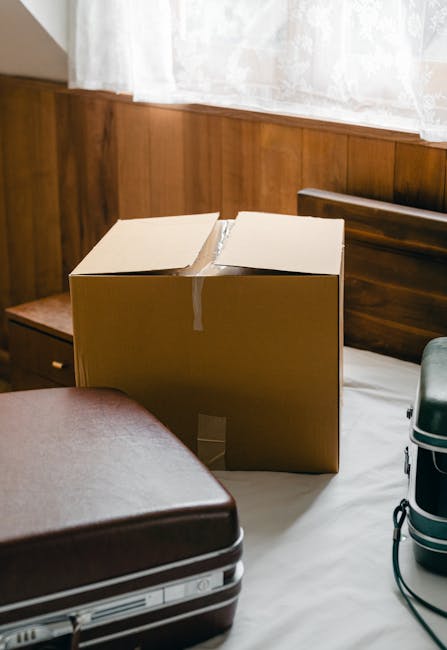
If a move in West Ham feels like it is running smoothly right up until the van arrives, packing is usually where the trouble started. One half-packed box, a missing label, or a sofa wrapped in the wrong way can slow everything down fast. And once the clock starts ticking, little mistakes suddenly feel very big.
This guide breaks down the common packing mistakes that delay West Ham removals, why they matter, and how to avoid them without turning move day into a drama. Whether you are moving a flat, a family home, student accommodation, or a small office, the same packing slip-ups keep popping up. Let's fix them before they cost you time, money, and a lot of extra stress.
For readers who want a broader look at moving support, it can also help to understand the range of removal services available, or compare that with a flexible man and van option if your move is smaller or more straightforward.
Why Common packing mistakes that delay West Ham removals Matters
Packing is not just a pre-move chore. It is the part that decides whether moving day feels organised or chaotic. In West Ham, where homes can be compact, parking can be tight, and access is not always generous, delays caused by poor packing can quickly snowball. A few badly prepared boxes might sound minor. In practice, they can hold up loading, create safety issues, and force the team to stop and rework things on the spot.
To be fair, most people do not pack badly on purpose. They just underestimate how much structure a removal needs. You might assume "I'll sort it on the day" and then realise the kettle is in one bag, the charger in another, and the tape has vanished. That is how ten minutes becomes forty. Or more.
It matters even more if you have booked a narrow time slot, a lift with restricted use, or shared access in a flat block. If you are moving from a compact property, flat removals often depend on smart packing because there is less room to shuffle things around once the team arrives.
Key takeaway: good packing is really about momentum. When every box is labelled, sealed properly, and ready to load, the move stays flowing. When it is not, everything slows down.
How Common packing mistakes that delay West Ham removals Works
Delays happen because removals are a chain. Packing affects the next link, and then the next. If one box is overfilled, it may need re-taping. If fragile items are loose, they need repacking. If everything is unlabeled, the crew has to ask questions while standing at the door, which sounds small but quickly adds up.
Here is the basic flow. You pack. The team loads. The vehicle is balanced and secured. The journey starts. The unload happens in the right order. Miss a step and the whole sequence gets interrupted. It is a bit like trying to cook a full Sunday roast with half the ingredients still in the car. You can do it, but nobody enjoys it.
The bigger the move, the more these issues matter. A small student move might survive a few poor packing decisions. A full house move, however, can lose serious time. If you are planning a larger domestic move, house removals or support from house removalists is usually easier when boxes are sorted into clear rooms and priority groups.
There is also the vehicle side of things. If packing is inconsistent, a removal van or larger moving truck may need extra time to be loaded safely, especially with awkward furniture or mixed-size boxes.
Key Benefits and Practical Advantages
When packing is done well, the benefits are immediately obvious. Things move faster, but that is only the start.
- Less loading time: boxes that are sealed, labelled, and ready can be stacked without second-guessing.
- Reduced breakage: proper wrapping and correct box weight make damage less likely.
- Better access: clear labelling helps movers place items in the right rooms quickly.
- Lower stress: you are not hunting for essentials mid-move. That alone is worth it.
- Safer lifting: balanced boxes are easier to carry, which matters for everyone involved.
- Fewer surprises: no one wants to discover that the "books" box also contains three cast-iron pans. Heavy. Very heavy.
There is a practical advantage too: well-packed homes tend to quote more accurately because movers can see what is ready, what is fragile, and whether special handling is needed. If you want to plan costs and compare options sensibly, the page on pricing and quotes is a useful place to start.
And if part of your move involves leaving items behind, donating, or clearing bulky furniture, services such as furniture removals and furniture pick up can help reduce the clutter before move day arrives.
Who This Is For and When It Makes Sense
This guide is for anyone moving in or out of West Ham who wants the day to stay predictable. That includes:
- homeowners moving to another part of London
- tenants moving between flats
- students with limited time and too many random possessions
- small businesses relocating equipment or archive boxes
- families who need a smoother, less stressful process
It makes particular sense if you are short on time, handling the packing yourself, or trying to avoid booking extra labour. Packing mistakes tend to show up most when people are rushing late the night before. The box tape is somewhere. A marker pen has gone missing. Someone says "we'll just do it in the morning" and, well, that's usually where the trouble starts.
If your move is urgent, or if you are balancing packing with work and family life, a service like packing and boxes can remove some of the pressure. For those who want end-to-end help, packing and unpacking services may be the smarter choice.
Commercial moves have their own version of the same problem. Missing labels on IT equipment, mixed office files, or unprepared desks can slow a relocation right down. If that sounds familiar, take a look at commercial moves and office removals.
Step-by-Step Guidance
Here is a practical way to pack so your West Ham removal stays on schedule.
- Sort by room first. Keep kitchen, bedroom, bathroom, and living room items separate. Do not mix rooms unless the items are clearly grouped for a reason.
- Pack non-essentials early. Books, seasonal clothes, spare bedding, and decor can be boxed well before moving day.
- Use the right box size. Small boxes for heavy items, medium boxes for mixed goods, and larger boxes only for light, bulky things.
- Wrap fragile items properly. Plates should not rattle. Glasses should not bang together. If they do, the box is not ready.
- Label every side. Mark the room, contents, and whether the box is fragile or priority. One label on top is not enough.
- Create an essentials box. Put in chargers, medication, basic toiletries, snacks, tea bags, a kettle if needed, and important documents.
- Disassemble furniture early. Keep screws, bolts, and allen keys in sealed bags taped to the item or stored together in a labelled pouch.
- Clear pathways before the movers arrive. Boxes should be stackable and reachable. Hallways full of loose items slow loading immediately.
- Do a final walk-through. Check cupboards, drawers, loft spaces, under beds, and behind doors. You would be surprised what turns up at the last minute.
Simple, but effective. And it saves a lot of back-and-forth.
Expert Tips for Better Results
In our experience, the fastest moves are not always the ones with the most hands. They are the ones where the packing has been thought through properly.
Use a colour system if you can. A strip of coloured tape on each box can help identify rooms instantly. Red for kitchen, blue for bedroom, green for office. Nothing fancy, just practical.
Keep heavy items low and light items high. This sounds obvious, yet it is one of the most common packing errors. A box full of books on the bottom of a stack can be fine. A top-heavy stack of mixed junk? Not so much.
Leave awkward items accessible. Things like lamps, mirrors, and small appliances often need a different loading position. If they are buried under random bags, the team has to stop and reshuffle.
Take photos before sealing. This is especially useful for cable setups, office kit, or anything with many parts. It takes ten seconds and can save a headache later.
Use storage when needed. Sometimes the issue is not packing badly, it is trying to move everything at once. If you are downsizing, renovating, or waiting for keys, storage can buy breathing space and prevent a rushed, messy pack.
Be realistic about your timetable. A one-bedroom flat packed in a single evening sounds efficient. In real life, it often turns into a scramble. Give yourself more time than you think you need. Honestly, it helps.
Common Mistakes to Avoid
These are the usual culprits behind delayed removals in West Ham.
- Overfilling boxes: they become hard to lift, break open, or need repacking.
- Underfilling boxes: loose contents shift around and collapse when stacked.
- Not labelling boxes: the team wastes time figuring out where each box belongs.
- Using damaged boxes: old, damp, or crushed cardboard is asking for trouble.
- Mixing fragile and heavy items: plates, books, and ornaments should not live together unless packed very carefully.
- Leaving loose parts around: screws, remotes, chargers, and adaptors disappear easily.
- Packing essential items too early: if you need your passport or phone charger, you should know exactly where it is.
- Forgetting access issues: if lifts, stairs, or parking spaces are awkward, packing needs to be even more organised.
- Not protecting furniture: corners, tabletops, and drawers often get damaged because people assume a blanket will do everything. It won't, sadly.
One small error can trigger a chain reaction. A loose box bursts. The contents need rebagging. Someone fetches tape. Two minutes becomes fifteen. Then the kettle goes missing. It happens.
If you are moving delicate instruments or high-value items, the stakes are even higher. Specialized jobs such as piano removals need careful preparation, not just strength and good intentions.
Tools, Resources and Recommendations
You do not need a warehouse of equipment, but a few good basics make packing much smoother.
| Item | Why it helps | Best use |
|---|---|---|
| Strong cardboard boxes | Holds weight properly and stacks safely | Books, kitchenware, mixed household items |
| Packing tape | Seals boxes securely and reduces burst openings | Every box, without exception |
| Marker pens | Clear labelling speeds up unloading | Room names, priority notes, fragile warnings |
| Bubble wrap or paper | Protects glass, ceramics, and electronics | Fragile items, screens, decorative pieces |
| Zip bags | Keeps screws, cables, and fixings together | Furniture, appliances, desk setups |
| Furniture covers or blankets | Reduces scuffs, dust, and corner damage | Wardrobes, sofas, tables |
For people comparing service levels, the right support often comes down to how much packing you want to hand over. Some prefer to pack themselves and book a flexible vehicle option like man with van or man with a van. Others would rather go for a fuller removal package and keep their weekend free. No judgement there.
If you are trying to move a few pieces of furniture rather than a whole property, furniture removals can be a sensible middle ground.
Law, Compliance, Standards, or Best Practice
Most packing advice is about common sense and good planning, but there are a few UK best-practice points worth keeping in mind. Anything heavy should be packed so it can be lifted safely. Boxes should not be so overloaded that they split open or force awkward lifting. In normal removal work, safety and clear handling practices matter because the risk of injury rises fast when people rush or cut corners.
For business moves, there is also a practical duty to avoid chaotic handling of documents, equipment, and confidential materials. You do not need to turn it into a legal lecture, thankfully, but a sensible approach is to keep secure items separate and clearly marked. That is just good practice.
If you are choosing a provider, it is sensible to look at how they talk about safety, insurance, and security. Pages such as health and safety policy, insurance and safety, and payment and security help show how the business handles those expectations. For trust signals and background, you can also review about us and terms and conditions.
For moves involving waste, unwanted items, or end-of-tenancy clear-outs, thinking about recycling and sustainability is a smart habit. Less rubbish in the move means less clutter to manage and fewer delays. Simple, really.
Options, Methods, or Comparison Table
Different packing methods suit different kinds of moves. Here is a straightforward comparison.
| Packing approach | Best for | Pros | Watch out for |
|---|---|---|---|
| DIY packing | Smaller budgets, simple moves | Cheaper, flexible, full control | Takes time, easy to make labelling mistakes |
| Partial packing support | Busy households, mixed-size moves | Reduces pressure on key rooms like kitchen or fragile items | Needs clear coordination so no items are left out |
| Full packing service | Large homes, time-poor moves, delicate items | Fast, efficient, less personal workload | Costs more than doing it yourself |
| Storage-assisted move | Delays between moving dates, renovations, downsizing | Removes pressure, helps stage the move sensibly | Needs planning so the right items stay accessible |
If you are comparing methods because timing is tight, a same day removals option may look appealing. Just remember that same-day moves rely even more on tidy packing. There is less room for "I'll just sort that box later". Later arrives very quickly.
Case Study or Real-World Example
Here is a realistic example based on a common West Ham move. A tenant in a two-bedroom flat had packed most of the kitchen in supermarket bags and used three oversized boxes for books, paperwork, and kitchen appliances. On move morning, one bag split, the books box was too heavy to lift safely, and the kettle had been tucked into a random laundry basket. The loading process stalled while items were re-bagged, retaped, and relabelled.
Nothing dramatic. No disaster. But the move still took longer than expected, and the delay came from the packing, not the van.
On a better-run move, the same household would have used smaller boxes for books, proper wrapping for kitchenware, and one clearly labelled essentials box. The result? Faster loading, fewer questions, less fuss. That is the difference good packing makes. It does not need to be perfect. It just needs to be consistent.
For student moves, the pattern is similar but usually quicker. A lot of time gets lost when clothing, textbooks, and tech chargers are mixed together in a hurry. That is why student removals work best when essentials are kept apart and ready to grab first.
Practical Checklist
Use this checklist a few days before move day. Honestly, it saves a lot of shouting into the hallway.
- All boxes are the right size for their contents
- Heavy items are in small or medium boxes
- Fragile items are wrapped and clearly marked
- Every box is sealed securely with tape
- Each box has a room label and contents note
- An essentials box is packed and easy to find
- Screws, cables, and fixings are stored in labelled bags
- Furniture has been disassembled where needed
- Walkways, doors, and stair access are clear
- Unwanted items have been removed or set aside
- Special items have been identified in advance
- Keys, documents, and chargers are not buried in random boxes
Practical summary: if a box can be lifted safely, identified quickly, and placed in the right room without explanation, you are on the right track.
Conclusion
The most common packing mistakes that delay West Ham removals are usually simple ones: too much weight, poor labelling, loose items, weak boxes, and last-minute chaos. But simple mistakes have a habit of becoming expensive ones when the clock is ticking and everyone is standing by the door.
The good news? These problems are very fixable. Pack room by room. Keep essentials separate. Use the right materials. And give yourself more time than your optimistic side wants to admit. That alone can turn moving day from a scramble into something much calmer.
If you want a smoother move, the smartest next step is to plan the packing first, then choose the level of help that fits the size and timing of your relocation. A little structure now saves a lot of noise later.
Get a free quote today and see how much you can save.
And if the day still feels a bit overwhelming, that's normal. Most moves do. But with the right packing plan, you are already halfway there.
Frequently Asked Questions
What packing mistake causes the biggest delay on moving day?
The biggest delay is usually a mix of poor labelling and overpacked boxes. When the team cannot quickly see what goes where, or a box has to be repacked for safety, the whole schedule slows down.
How early should I start packing before a West Ham removal?
For a typical home move, it helps to start with non-essentials several days in advance, or earlier if you have a larger property. Last-minute packing is where most delays begin.
Should I label boxes by room or by contents?
Both, if possible. Room labels help with unloading speed, while content notes help you find essentials and fragile items quickly. Room plus contents is the most practical approach.
Is it better to use big boxes or small boxes?
Small to medium boxes are usually safer for heavy items like books, kitchenware, and tools. Large boxes are best reserved for lighter things such as bedding, cushions, or soft household items.
Do removal teams repack boxes if they are done badly?
Sometimes they have to, especially if a box is unsafe, split, or overloaded. That is one of the most common reasons removals run behind schedule.
What should go in an essentials box?
Put in the things you will need immediately: chargers, toiletries, medication, snacks, important paperwork, a change of clothes, and basic kitchen items. Keep it accessible, not buried in the van.
Can poor packing damage furniture as well as boxes?
Yes. Furniture can be scratched, dented, or stressed if it is not wrapped properly or if loose items are packed against it. Corners and glass surfaces are especially vulnerable.
What if I am moving from a flat with awkward access?
Then tidy packing matters even more. Tight stairwells, lifts, and shared hallways make it harder to stop and reorganise. Clear labels and secure boxes save a lot of time.
Is professional packing worth it for a small move?
It can be, especially if you are short on time or moving fragile items. For very small moves, DIY packing may be fine, but if the date is tight, professional help can prevent delays.
How can I avoid forgetting important items on the day?
Keep important documents, keys, medicines, phone chargers, and valuables in one clearly marked personal bag that stays with you. Do not place them in general boxes.
Does storage help if I am not ready to pack everything?
Yes, storage can be a sensible solution if you are waiting on keys, renovating, or downsizing. It gives you space to move in stages instead of rushing everything at once.
What is the simplest way to make a move faster?
Use fewer, better-packed boxes; label everything clearly; and keep access routes clear. That sounds basic, but it is the stuff that really keeps a removal moving.