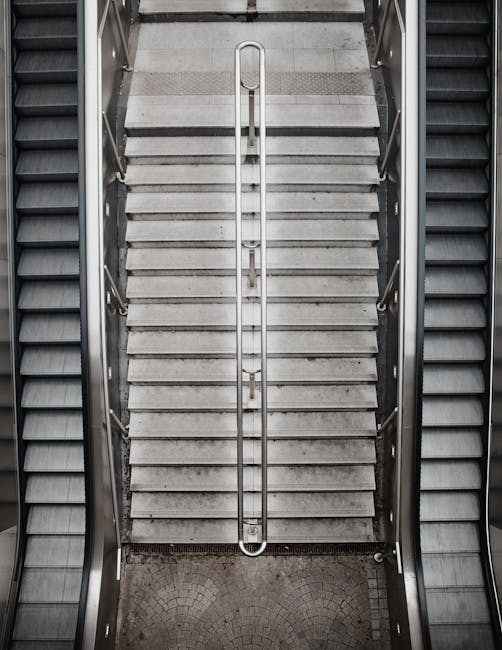
Staircase access problems West Ham removals solutions
If you have ever stared at a narrow stairwell, a stubborn sofa, and a landing that seems about two inches too tight, you already know the issue: staircase access can make a move far harder than the distance between addresses. In West Ham, where flats, maisonettes, terraces, converted properties, and busy roads all create their own moving quirks, the right staircase access problems West Ham removals solutions can save time, money, and a lot of stress. This guide breaks down what actually helps, what to avoid, and how to plan a move that feels controlled rather than chaotic.
Truth be told, most difficult moves are not difficult because of the van. They are difficult because of what happens between the front door and the vehicle. Low ceilings, awkward bends, tight turns, fragile walls, weighty furniture, and no lift can turn a straightforward job into a careful puzzle. The good news? With a proper plan, the right equipment, and realistic expectations, staircase access problems can usually be managed safely.
Table of Contents
- Why Staircase Access Problems Matter
- How Staircase Access Problems Are Managed
- Key Benefits and Practical Advantages
- Who This Is For and When It Makes Sense
- Step-by-Step Guidance
- Expert Tips for Better Results
- Common Mistakes to Avoid
- Tools, Resources and Recommendations
- Law, Compliance, Standards, or Best Practice
- Options, Methods, or Comparison Table
- Case Study or Real-World Example
- Practical Checklist
- Conclusion
- Frequently Asked Questions
Why Staircase access problems West Ham removals solutions Matters
Staircase access sounds like a small detail until you are halfway through a move and realise the chest of drawers will not make the turn. Then it becomes the detail. In practical terms, access affects nearly everything: how many movers are needed, whether the job can be done in one trip, whether items need dismantling, and how long loading will take. It also affects safety. A narrow staircase is not just awkward; it increases the chance of scuffed walls, strained backs, dropped items, and damaged railings or banisters.
For West Ham households and businesses, staircase access often matters because many buildings were not designed around modern furniture sizes. That long modular sofa, for example, may look perfectly ordinary in a catalogue photo, but once it meets a turning stairwell, it can become a completely different beast. Same with wardrobes, desks, filing cabinets, and anything with glass or mirrored panels. This is where a little planning pays for itself.
There is also the issue of timing. If access is restricted, a move can drag on, and that has a knock-on effect on parking, building access, neighbours, and your own energy levels. By mid-afternoon, even the calmest person can start muttering at a bannister. Happens to the best of us.
How Staircase access problems West Ham removals solutions Works
The basic process is simpler than it sounds. First, the access route is checked carefully. That means looking at the staircase width, the number of turns, ceiling height, handrails, door swings, and any tight corners at the top or bottom. If needed, movers may also check whether a lift, rear entrance, alternative exit, or window access could make the job easier. The aim is not to overcomplicate things; it is to identify the route that gives the safest and cleanest movement of items.
Once the route is understood, the furniture and boxes can be matched to the access. Larger items may be dismantled in advance. Fragile or awkward pieces may be wrapped more heavily. Some items may be carried by two people rather than one, which is often the difference between a smooth job and a stressful one. If a property is especially tight, moving blankets, sliders, straps, trolleys, and lifting technique become much more important.
In many cases, the solution is not dramatic. It is a series of sensible little decisions. For instance, removing a table leg, turning a wardrobe on its side at the right point, or moving items at a quieter time so neighbours and pedestrians are not in the way. Small adjustments, big effect.
For readers comparing moving support, the best place to start is usually the core removal services overview, then pair that with the more specific help you actually need, such as flat removals or man and van support if the move is lighter but still access-sensitive.
Key Benefits and Practical Advantages
Good staircase access planning is one of those quiet wins. You do not always notice it when it works, which is a bit unfair really, but you absolutely notice it when it does not. Here are the main advantages.
- Less damage risk: Walls, banisters, furniture edges, and door frames are better protected when the route is thought through first.
- Faster loading: A clear plan reduces guesswork at the doorway and on the stairs.
- Better handling of awkward items: Large wardrobes, mattresses, sofas, and desks can be managed with the right method.
- Lower stress: Everyone works with fewer surprises, which matters more than people admit.
- Smarter labour planning: If extra hands or a different vehicle are needed, you can arrange them in advance.
- Cleaner move-day coordination: Parking, access windows, and building rules are easier to manage when the route is understood.
There is another benefit that often gets missed: better communication. When you clearly describe the staircase and the furniture, everyone knows what to expect. That leads to better quoting too. If you are checking pricing or comparing moving options, it can help to review pricing and quotes alongside the move details, rather than treating access as an afterthought.
Who This Is For and When It Makes Sense
This kind of planning is useful for anyone moving through shared stairwells, upper floors, narrow hallways, or older properties. It is especially relevant if you are in a West Ham flat with no lift, moving a family home with a tricky first-floor landing, or handling a commercial relocation where desks and archive cabinets need to pass through internal stairs. It is also very relevant for students moving in and out of upper-floor accommodation, where space is limited and time is tight.
Some moves need staircase planning more urgently than others. If you own large flat-pack furniture that is no longer flat-pack, or you have a piano, heavy sideboard, or glass-fronted cabinet, you should assume the staircase will be a factor. If you are just moving boxes and smaller bags, the job may still need care, but the access pressure is usually lower.
For a home move with a mix of ordinary furniture and a few awkward items, home moves support may be the right fit. For heavier domestic jobs, house removals or even house removalists can be more suitable. And for students, it is worth looking at student removals if you want something more compact and flexible.
Step-by-Step Guidance
- Measure the route. Check the staircase width, landing space, low ceilings, and any corners that might force a turn. If you can, measure the largest item too.
- List the awkward items first. Sofas, beds, wardrobes, fridge-freezers, mirrors, and office desks are the usual troublemakers.
- Decide what should be dismantled. Sometimes taking off legs, doors, or bed frames saves far more time than trying to angle the item through the stairs whole.
- Plan the carrying method. One person, two people, or a team lift? Be realistic. A heavy item on a tight stairwell is not the moment for optimism.
- Protect the property. Use covers, blankets, floor protection, and careful hand positioning around walls and railings.
- Prepare the loading area. Clear the hallway, check where shoes, bags, and pet bowls need to go, and make space at the top and bottom of the stairs.
- Schedule the move with access in mind. Quiet times can be better in busy streets, and having your route ready before movers arrive helps everything flow.
- Confirm the final plan before lifting. One quick check can prevent a lot of unnecessary shuffling on the stairs. Nobody enjoys that shuffle.
A small but important point: if you are unsure whether an item will fit, do not force it. A minute of thinking is better than ten minutes of wrestling with a wardrobe corner and wondering why this seemed like a good idea.
Expert Tips for Better Results
In practice, the best staircase moves are the ones that feel almost boring. That is the goal. Not glamorous, just smooth.
- Photograph the staircase and the biggest items. A quick photo tells a mover far more than a vague description like "it's a bit tight."
- Leave a clear run on both floors. Boxes stacked near a landing make turning harder and add avoidable risk.
- Use softer packing for fragile items. If the staircase is narrow, every extra bump matters.
- Take apart furniture before move day if possible. Waiting until the last minute often creates more stress than savings.
- Keep screws and fittings labelled. You will thank yourself later, especially with beds and wardrobes.
- Have a backup plan for very large items. Storage, split transport, or a second trip can be the calmer option.
If you are moving business equipment, the same thinking applies. A file cabinet that cannot fit on a bendy stairwell is a business problem, not just a moving problem. In that case, commercial moves and office removals services can help you plan around access, timing, and equipment handling without making the day feel like a firefight.
Common Mistakes to Avoid
Most access issues are made worse by a few predictable mistakes. The good news is they are easy to avoid once you know them.
- Assuming furniture will "probably fit." Probably is not a moving strategy.
- Ignoring ceiling height on the stairwell. A low ceiling at a turn can stop an item even when width looks fine.
- Not checking for handrails or tight door swings. These little obstacles can be the real problem.
- Leaving dismantling until move day. That is how a calm start becomes a rushed one.
- Forgetting parking and unloading distance. A bad parking position can add unnecessary carrying distance before you even reach the stairs.
- Overpacking boxes. Heavy boxes on stairs are awkward, slower, and harder on everyone's back.
Another common one: underestimating how long the final few metres can take. You may think, "It is only one staircase." Then you meet the landing, the angle, the wall, and the radiator. That is where experience matters.
Tools, Resources and Recommendations
When staircase access is tight, the right kit makes a real difference. Not flashy, just practical.
- Furniture blankets and wrapping: Helps protect edges, corners, and painted surfaces.
- Straps and lifting aids: Useful for keeping larger items stable.
- Two-wheel or four-wheel dollies: Best used only when the route is suitable; stairs need judgement, not blind faith in wheels.
- Mattress bags and covers: Keep soft furnishings cleaner through shared spaces.
- Labelled box tape and markers: Simple, but very effective when items need to be staged carefully.
- Disassembly tools: Allen keys, screwdrivers, and small bags for fittings save a lot of scrambling later.
If you are still deciding how much help you need, a general removals service can suit a full household move, while a smaller vehicle option such as removal van or man with van is often more practical for lighter loads and tighter access. For bulky items only, furniture removals or even furniture pick up can be a better fit.
Law, Compliance, Standards, or Best Practice
For moving jobs involving stairs, the main concern is safe manual handling and sensible risk control. In the UK, good practice generally means reducing avoidable strain, not lifting beyond safe limits, and planning the route so people are not forced into rushed or awkward movements. If a property is a workplace, additional health and safety expectations can apply, so access planning should be taken seriously rather than treated as a quick guess on the day.
There is no single universal staircase rule that fits every move, and that is why careful judgement matters. A small load that looks fine on paper may be awkward once it reaches a tight landing. Likewise, an item that seems too big may actually be manageable if it is dismantled, wrapped, and turned correctly. The safest approach is simply to assess before lifting and to stop if the route does not feel right.
That is also why it helps to work with movers who talk openly about access, insurance, and safety. If you want to understand the company's general approach, the pages on health and safety policy and insurance and safety are worth reviewing before you book. For payment confidence, payment and security is also useful reading. These are not glamorous pages, sure, but they tell you a lot about how a provider operates.
Options, Methods, or Comparison Table
Different staircase access solutions work better depending on the property, item size, and time available. Here is a simple comparison to help you think it through.
| Method | Best for | Pros | Limitations |
|---|---|---|---|
| Carry by hand with two movers | Most standard furniture on narrow but passable stairs | Flexible, controlled, simple to coordinate | Not ideal for very heavy or awkward items |
| Dismantle first | Beds, wardrobes, tables, desks | Reduces size and turning problems | Needs time, tools, and labelled fittings |
| Extra packing protection | Fragile or valuable items | Lowers damage risk on walls and furniture | Can add time and materials |
| Alternative access route | Properties with rear access, lifts, or wider exits | May be far easier than the main staircase | Not always available |
| Smaller vehicle and staged loading | Busy streets or awkward parking | Improves control and reduces congestion | May require more than one trip |
For many West Ham moves, the smartest answer is a mixture of methods rather than one magic fix. A sofa may need dismantling, boxes may need staging, and the route may need a two-person carry. Simple, but not easy. There is a difference.
Case Study or Real-World Example
A typical example: a two-bedroom flat with a narrow staircase and a turn at the halfway point. The largest items were a three-seat sofa, a double mattress, a wardrobe, and a desk. At first glance, the wardrobe looked like the main problem, but the sofa was actually worse because of its length and awkward grip points.
The practical solution was to dismantle the wardrobe, remove the sofa feet, and protect the stair edges with blankets. The mattress moved easily once the route was clear. The desk was taken separately after the route had been checked for its widest point. Nothing dramatic happened, which is exactly what you want on moving day. No shouting, no panic, just a few careful lifts and some decent planning.
What made the difference? Not strength. Planning. The team knew where the pinch points were before the first item moved. That is the quiet advantage of staircase access planning: it turns guesswork into a process.
Practical Checklist
Use this before moving day if staircase access might be tight.
- Measure the staircase width and landings.
- Check the height at turns and under low ceilings.
- List the biggest and heaviest items first.
- Decide what needs dismantling.
- Prepare wrapping, blankets, and floor protection.
- Clear hallways, landings, and doorways.
- Confirm parking and unloading arrangements.
- Photograph awkward routes and furniture if you are requesting help.
- Label screws, fittings, and furniture parts.
- Keep fragile items well packed and easy to identify.
- Plan extra time for stairs if the building is older or the access is shared.
If you are moving a few items only, it can also help to review removal services in general and then decide whether a smaller move option is enough. For items that are especially bulky, piano removals may be relevant simply because the same mindset applies: careful routing, planning, and controlled lifting.
Conclusion
Staircase access problems do not have to ruin a move. In West Ham, the key is to treat access as part of the move plan, not a surprise to be discovered at the front door. Once you know the route, the furniture, and the pinch points, the rest becomes far more manageable. Sometimes that means dismantling a few items. Sometimes it means using a different vehicle or a different loading sequence. Often, it just means slowing down enough to do things properly.
That may sound simple, but simple is often what works best. And honestly, there is relief in that. You do not need a perfect building to have a sensible move. You just need a sensible plan.
Get a free quote today and see how much you can save.
Frequently Asked Questions
How do you move furniture up or down a narrow staircase?
The usual approach is to measure the route first, protect the walls, and carry the item with the right number of people. If the item is awkward, dismantling it often makes the job much safer and easier.
What if my sofa will not fit around the stairwell corner?
Do not force it. Check whether the sofa can be dismantled, turned in a different direction, or moved through an alternative route. In some cases, a different access point is the better answer.
Do staircase access problems mean I need a bigger removals team?
Not always, but sometimes yes. If the property is tight, heavy, or has multiple floors, extra hands can reduce the risk of damage and make the move faster.
Is it cheaper to dismantle furniture before moving?
Often, yes, because dismantling can prevent delays and reduce the need for complex handling. That said, it depends on the furniture and whether you have the tools and time to do it properly.
What should I tell a mover about staircase access?
Be specific. Mention the number of floors, width of stairs, tight turns, low ceilings, large furniture, and anything awkward about the entrance or landing. Photos help a lot.
Can a removal van solve staircase problems?
A removal van helps with transport, but it does not solve stair access by itself. The real solution is route planning, proper lifting, and using the right size and type of moving support.
What items are most likely to cause problems on stairs?
Sofas, wardrobes, mattresses, desks, fridge-freezers, and anything with a long or rigid frame. Fragile items can also be difficult if they cannot be tilted safely.
Should I pack everything before checking the stairs?
It is better to check access early. If the staircase is tight, you may want to adjust how items are packed or decide to dismantle furniture before the final packing stage.
How do removals teams protect walls and bannisters?
They normally use blankets, wraps, careful carrying angles, and slower movement through tight points. A good team also avoids rushing, which sounds obvious but really matters.
Are staircase access problems common in West Ham flats?
Yes, they are fairly common in flats, maisonettes, and older conversions. That is why flat moves often need a bit more planning than people first expect.
What if I need to move quickly because the access is complicated?
If time is tight, focus on the largest items first and avoid unnecessary back-and-forth. If the move is urgent, same-day help may be useful, provided the staircase route is still realistic.
How do I know whether I need professional help?
If you are dealing with heavy furniture, shared staircases, awkward turns, or a lack of lift access, professional help is usually worth it. It is not about being unable to do the move yourself; it is about reducing risk and making the day calmer.
And if you are still weighing up the right support, it can help to compare the move with same day removals, man with a van, or fuller removals support, depending on how much needs to travel and how tricky the stairs are. Sometimes the best answer is the one that keeps the day pleasantly uneventful.