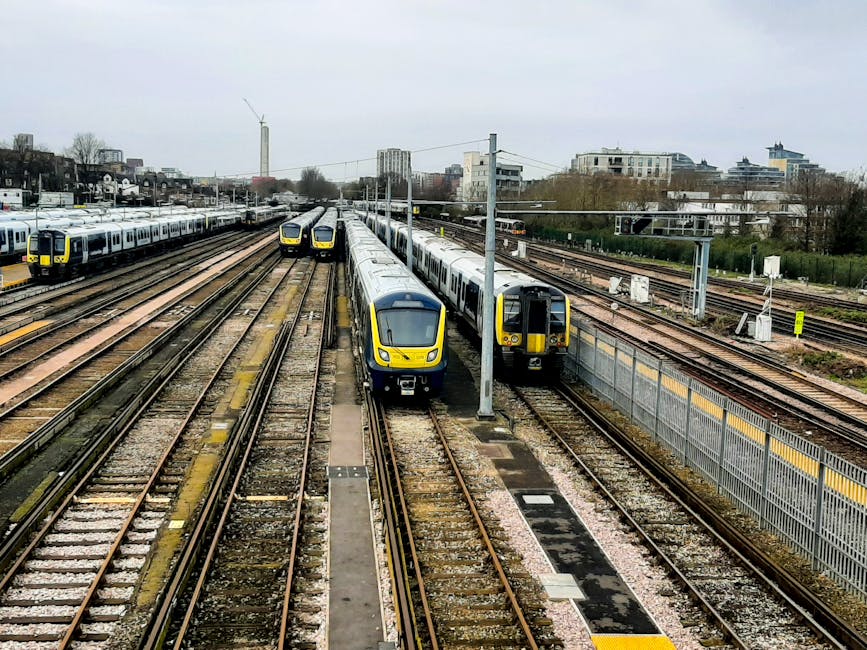
West Ham station moving day guide for removals vans
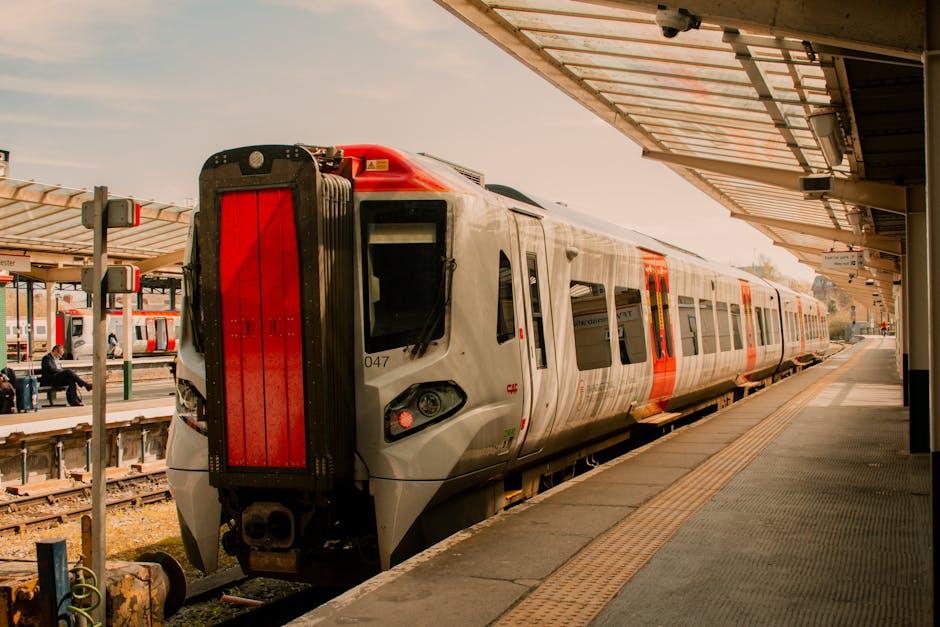
Moving near West Ham station can feel straightforward on paper, then suddenly the street is busier than you expected, the lift is slow, and your removals van is trying to find somewhere sensible to stop. That is exactly why a West Ham station moving day guide for removals vans is useful: it turns a stressful local move into something organised, calm, and far less chaotic.
Whether you are shifting from a flat near the station, moving into a house a few streets away, or handling a same-day relocation with a van and a couple of helpers, the real challenge is usually access. Not the boxes. Not even the stairs, to be fair. It is the small practical things: where the vehicle can wait, how long loading takes, and whether the route is clear when everyone is already tired and slightly over it.
This guide walks you through the local moving-day realities around West Ham station, including timing, access, packing, parking, and the kind of decisions that make removals vans work properly in a busy East London setting.
Why West Ham station moving day guide for removals vans Matters
West Ham station sits in a part of London where transport links are excellent but road space can be awkward. That combination matters on moving day. Trains, buses, cycle traffic, delivery vehicles, and residential parking all compete for the same limited room. If your removals van turns up without a plan, even a short move can become slow, messy, and expensive.
The point of planning around the station is not to make things complicated. It is the opposite. A good plan reduces waiting time, protects furniture from rushed handling, and stops the day from drifting. You will notice the difference almost immediately when the van can park once, load efficiently, and leave without having to circle the block three times.
In practical terms, this guide matters because station-area moves often involve:
- tight streets and limited stopping space
- walks from the property to the kerbside
- flats above shops or in mixed-use buildings
- shared entrances and small lifts
- busy commuter periods around the station itself
Truth be told, most moving stress comes from a handful of predictable issues. The good news is that almost all of them can be managed with a little preparation and the right vehicle choice. A small van, a medium removals vehicle, or a full-scale truck all have their place, but the wrong one for the street can cause more problems than it solves.
Expert summary: Near West Ham station, the most successful moves are rarely the fastest ones on paper. They are the ones that respect local access, load order, and timing. If those three pieces are right, the rest tends to fall into place.
How West Ham station moving day guide for removals vans Works
A good moving day around West Ham station starts before the van arrives. The logic is simple: reduce friction before the first box leaves the front door. In practice, that means checking the route, preparing the property, assigning loading order, and making sure the vehicle size matches the street and the volume of items.
Most local moves follow the same broad pattern. The removals team arrives, confirms access, assesses where the vehicle can safely stop, and begins loading in a planned sequence. Heavy items go in first, fragile items are secured separately, and anything awkward is handled with proper lifting technique. If you are using a service such as removal van hire or a more complete removal services package, the process should be adapted to your address and the size of your move.
There is one thing people often underestimate: walking distance matters just as much as parking distance. A van parked legally but 80 metres away may still be fine for a small move, but if you have a sofa, a wardrobe, and a stack of boxes, that extra distance slows everything down. It also increases the risk of scuffs, knocks, and tired people taking shortcuts. Nobody wants that.
In a station area, time windows matter too. Early morning can be easier for access, though traffic patterns change and local conditions vary day by day. Later in the day may give you better building access if lifts or concierges operate on set hours. There is no single perfect slot, which is mildly annoying, but it is true.
For larger or business moves, the process becomes more structured. For example, a commercial move or office removals near West Ham station usually requires extra staging, tighter timing, and a clearer loading sequence so that disruption stays low.
Key Benefits and Practical Advantages
The strongest benefit of planning a move around West Ham station properly is control. You get more control over timing, access, and the order in which things happen. That sounds small, but moving day is basically a chain of small decisions. Get enough of them right and the whole day feels lighter.
- Less waiting time: A planned arrival slot means the van is not idling while someone looks for keys or checks whether the lift is working.
- Better protection for items: Efficient loading reduces handling, which is especially important for mirrors, TVs, beds, and large furniture.
- Reduced stress: Clear steps mean fewer surprises. And honestly, moving day already brings enough surprises without adding parking drama.
- Lower risk of damage: Fewer lifts, fewer carry distances, fewer chances for a sharp turn on a narrow landing.
- More suitable vehicle choice: A smaller van can sometimes be the smarter option near the station, especially where road space is tight.
If you are considering a lighter setup, services such as man with van or man and van can be a sensible fit for flats, student moves, single-room loads, or partial household relocations. For bigger moves, you may need a moving truck or a more comprehensive home removals option.
There is also a financial benefit. Efficient moves often cost less in practice because less time is spent waiting, rehandling, or rescheduling. If you want a deeper look at pricing patterns, the article on West Ham removals costs and quotations is helpful for understanding what drives the total.
Who This Is For and When It Makes Sense
This guide is for anyone moving in or out of the West Ham station area who expects a removals van to do the heavy lifting. That might sound obvious, but there are a few very different use cases hiding under the same roof.
You may find this especially useful if you are:
- moving from a flat near the station with shared access or narrow stairwells
- relocating to another part of East London and need quick, efficient loading
- moving student accommodation or a smaller rental property
- handling a same-day or short-notice move
- planning an office move for a small team or satellite workspace
- needing a furniture-only collection or delivery
It also makes sense if you are choosing between a full removals crew and a smaller van-based service. A one-bedroom flat with modest furniture is very different from a family home with wardrobes, garden items, and boxes that seem to multiply overnight. If you are unsure, comparing flat removals, house removals, and student removals can help you match the service to the actual move rather than the move you wish you had.
A practical rule of thumb: the more stairs, parking uncertainty, or bulky furniture you have, the more valuable a structured removals plan becomes. That is just life in London, really.
Step-by-Step Guidance
If you want moving day near West Ham station to feel manageable, work through it in stages. Not everything needs to happen at once. In fact, doing everything at once is usually where people get flustered.
-
Check the access at both addresses.
Look at entrance width, staircases, lift size, and where a van can pause safely. If the new place has a managed entrance or loading restrictions, note them early.
-
Choose the right vehicle size.
A smaller van may be easier near the station, while a larger vehicle may reduce trips for a bigger house move. The right choice balances access with load volume.
-
Sort the load order.
Put heavy, stable items first and fragile items last. Keep essentials accessible so you are not hunting for kettle leads, medications, chargers, or cleaning supplies at the end of a long day.
-
Prepare the property before the van arrives.
Disassemble what you can, label rooms clearly, and keep corridors clear. A tidy hallway looks boring, maybe, but it saves time and reduces accidents.
-
Confirm parking or stopping arrangements.
Near the station, parking is often the moment where good plans are won or lost. If you need advice about local parking conditions, this guide on Newham parking rules for West Ham removals is worth a look.
-
Protect floors, frames, and fragile furniture.
Use covers, blankets, and proper wrapping where needed. That little bit of extra care is much cheaper than repairing a damaged banister or replacing a cracked tabletop.
-
Load methodically and secure the cargo.
Items should be braced so they do not shift in transit. The van should not feel like a cupboard after a rough train ride.
-
Do a final sweep before departure.
Check cupboards, loft access, under beds, and meter areas. People always forget one thing. Always. Usually it is the odd drawer with important bits in it.
If you are dealing with a lot of boxes, good packing habits make a visible difference. You can find practical advice in packing efficiently for your house move and the more specific piece on packing mistakes that delay West Ham removals.
Expert Tips for Better Results
Here is the part that saves time in the real world. Not the glossy brochure version. The real version.
1. Move the awkward items first in your planning, not last. Big mirrors, wardrobes, sofas, and beds shape the whole job. If they fit through the route smoothly, everything else is easier. If they do not, you need a backup plan before the van arrives.
2. Keep a slim essentials bag separate. Keys, chargers, tea bags, medication, snacks, documents, and a change of clothes should not disappear into a box labelled "misc". That label is a trap. A very British trap, but still a trap.
3. Protect corners and door frames. West Ham flats and older properties can have tight turns. Even a small scrape can slow the day because everyone starts tiptoeing around the same doorway. Covering edges early is cheap insurance.
4. Be realistic about time. A move that should take three hours on paper may take longer if the lift is shared, the van has to park further away, or the building is busy. Build in breathing room. It helps.
5. Consider specialist help for awkward items. If you have a piano, oversized wardrobe, or unusually heavy item, do not assume a standard move will cover it neatly. Services such as piano removals exist for a reason. Heavy objects have a knack for being more inconvenient than they look.
6. Declutter before moving day. If something no longer earns its place, remove it before the loading starts. Fewer items means fewer lifts and usually a calmer day. If you want a practical lead-in, see decluttering before your big move.
7. Match the service to the move, not the other way round. A full-house relocation, a flat move, or a business move each needs a slightly different setup. That is normal. The best moves are custom-shaped, not forced into a one-size-fits-all box.
Common Mistakes to Avoid
Most problems near West Ham station are not dramatic disasters. They are small avoidable slip-ups that snowball. The kind that make everyone look at the ceiling for a second and sigh.
- Booking the wrong-sized van: Too small means extra trips. Too large can make access awkward or impossible on some streets.
- Ignoring parking restrictions: A van that cannot stop legally or safely will slow the move immediately.
- Packing without labels: Unlabelled boxes create confusion at the new place and waste time during unloading.
- Forgetting building rules: Some blocks have lift reservations, concierge requirements, or limited moving hours.
- Leaving dismantling too late: Flat-pack furniture that still needs tools at 8:30 in the morning is not ideal. At all.
- Not preparing a clear walking route: Shoes, mats, bins, and random clutter can turn a simple carry into a stumbling hazard.
- Assuming everything will fit on the day: If in doubt, measure the largest items and the narrowest points before the move.
A common real-world issue is stair access. West Ham area flats can present awkward bends, tight landings, or lifts that are technically usable but not especially generous. There is a useful article on staircase access problems and solutions if that sounds familiar.
And yes, one more thing: do not leave all the small loose items for "later". Later becomes chaos with a kettle. It always does.
Tools, Resources and Recommendations
You do not need a van-load of gadgets to move well, but a few simple tools make a surprisingly big difference. The best kit is usually the boring kit, which is probably why it works.
| Tool or resource | Why it helps | Best used for |
|---|---|---|
| Furniture blankets | Protects edges and finishes during carrying and transit | Sofas, tables, wardrobes, appliances |
| Strong tape and labels | Keeps boxes closed and rooms clearly organised | General packing and unloading |
| Furniture straps | Helps secure heavier items inside the van | Wardrobes, white goods, large boxes |
| Trolleys or sack barrows | Reduces lifting strain and speeds up short carries | Flats with parking some distance away |
| Room labels and inventory notes | Speeds up unloading and helps avoid lost items | Family moves, shared houses, office contents |
For packaging and preparation, the pages on packing and boxes and packing and unpacking services can help you decide how much to do yourself. If you need temporary overflow space because keys, completion times, or building access do not line up neatly, look at storage as a practical bridge rather than a last resort.
If you have furniture to pass on rather than move, a service such as furniture removals or furniture pick-up may be more appropriate than loading it onto the moving van in the first place. That simple decision can save space and money.
For readers who want to compare the broader service landscape, browsing the general removals page alongside removal companies can make the decision less guessy and more grounded.
Law, Compliance, Standards, or Best Practice
Moving near West Ham station is not usually complicated from a legal point of view, but there are still rules and best practices worth respecting. In London, parking restrictions, loading limits, building access policies, and safe lifting practices all matter. These are not optional details. They shape whether the move runs smoothly or turns into an argument with a kerb line.
At a practical level, the most important things to watch are:
- Parking and loading rules: The vehicle must be stopped in a lawful and sensible place. If a permit, loading bay, or restricted zone is involved, plan ahead.
- Property access rules: Some landlords, managing agents, or building staff require booked slots, protective coverings, or advance notice.
- Safe lifting: Heavy items should be handled with care, good footing, and appropriate equipment. That protects both people and property.
- Insurance awareness: Before a move, it is sensible to understand what cover is in place and what it excludes. The exact terms matter.
- Waste and disposal standards: Old furniture, packaging, and unwanted items should be dealt with properly rather than dumped informally. For related guidance, see furniture disposal rules in Newham and the page on recycling and sustainability.
For many customers, the best compliance habit is simply to ask questions early. Where can the van stop? Are there time restrictions? Does the lift need booking? Is there a loading point nearby? Those few questions prevent a lot of problems later.
You can also review operational details like insurance and safety, health and safety policy, and terms and conditions so expectations are clear from the start. Not glamorous reading, admittedly, but useful.
Options, Methods, or Comparison Table
Choosing the right moving method around West Ham station depends on load size, access, and how much help you want on the day. Here is a plain-English comparison.
| Option | Best for | Strengths | Trade-offs |
|---|---|---|---|
| Man and van | Small to medium moves, flats, student loads | Flexible, often good for tight access, usually efficient | Less capacity than larger vehicles |
| Removal van | Standard household moves with moderate volume | Balanced capacity and manoeuvrability | May still require careful parking planning |
| Moving truck | Larger homes or bigger inventories | More space, fewer trips | Can be harder to position near busy streets |
| Full removals service | Complex or time-sensitive moves | More hands, more coordination, less stress for you | Usually more involved to arrange |
If you are moving from a compact flat or shared accommodation, a smaller setup often makes sense. If you are handling family furniture, appliances, and boxes from several rooms, a fuller service may be better value because it reduces the number of trips and hands you need to organise.
For a tighter budget or lighter inventory, many people also compare man with van against a more traditional removals booking. There is no single right answer. There is only the right answer for your exact move.
Case Study or Real-World Example
Here is a realistic example based on the kind of move people make near West Ham station all the time.
A couple moving from a two-bedroom flat near the station had a mix of furniture, around 30 boxes, a mattress, and a few awkward items like a desk chair, a tall lamp, and a mirror. The building had a lift, but it was small enough that only one or two large items could travel comfortably at a time. The street outside was busy in the morning, so parking directly at the entrance was not something they wanted to gamble on.
The solution was simple, but it worked well: they packed all fragile items first, disassembled the bed the night before, labelled every box by room, and kept a small essentials bag aside. The van arrived at a sensible time, the route from flat to kerb was cleared, and the load was completed in an orderly way. The team did not need to keep stopping to ask what went where, which is more valuable than it sounds when everyone is carrying something bulky and slightly awkward.
What made the move easier was not just the van. It was preparation. There was less pressure at the lift, less backtracking, and no last-minute panic over which box contained the bedding. Small things, but they add up. The whole day stayed human, which is about the best you can hope for during a move.
For anyone facing a similar short-distance move, the local articles on affordable removals near West Ham station and same-day removals tips are a useful next read.
Practical Checklist
Use this checklist the day before and the morning of your move. It is simple, but simple is exactly what you want when your head is busy.
- Confirm the arrival time with the removals team.
- Check whether the van can stop near the property legally and safely.
- Book or reserve lift access if the building requires it.
- Label all boxes by room and priority.
- Set aside keys, documents, chargers, and medication.
- Protect floors, walls, and fragile door frames where needed.
- Dismantle large furniture in advance if possible.
- Measure any awkward items against doorways and stair turns.
- Keep refreshments and a quick snack nearby.
- Do a final check of cupboards, loft spaces, and under beds.
- Arrange disposal or donation for anything you are not taking.
- Make sure the phone is charged. Sounds obvious, yet somehow it isn't always.
Quick takeaway: if the route is clear, the boxes are labelled, and the vehicle choice matches the property, you are already most of the way to a successful move near West Ham station.
If you want a smooth, well-organised move with the right vehicle and local know-how, take a moment to review the available removal options and make your booking early enough to secure the slot that suits your day.
Get a free quote today and see how much you can save.
Conclusion
A move near West Ham station does not need to feel like a scramble. With the right removals van, a clear loading plan, and a realistic view of local access, the whole process becomes much easier to handle. That is the real value of planning: not perfection, just less friction.
If you keep one thing in mind, make it this: moving day is won before the van arrives. Get the access right, sort the load order, and give yourself a little breathing room. Everything else becomes more manageable.
And when the last box is inside, the street quiets down, and you can finally shut the door, that small feeling of relief is worth a lot. Move well, and the day ends better than it started.
Frequently Asked Questions
What is the best type of van for moving near West Ham station?
The best van depends on access and load size. For smaller flats or lighter moves, a man and van setup or removal van is often enough. Larger homes may need a bigger moving truck, but that can be harder to position on busy streets.
Can a removals van stop close to West Ham station?
Sometimes, yes, but it depends on the exact road, parking restrictions, and time of day. The sensible approach is to plan for a legal stopping point rather than assuming the closest spot will be available.
How early should I book a moving service for West Ham?
The earlier the better, especially if you need a particular day or time slot. Short-notice bookings are possible in some cases, but they can limit your vehicle choices and make access planning tighter.
Is a man and van service enough for a flat move?
Often it is, especially for one-bedroom flats, student moves, or partial household loads. If you have several large items, lots of boxes, or awkward access, you may want a larger service or extra helpers.
What should I do if the building lift is small or unreliable?
Plan for slower loading, protect the walls and flooring, and let the removals team know in advance. In some cases, stair carry planning will be better than relying on the lift. It is not ideal, but it is manageable with preparation.
Do I need special permission for loading near the station?
That depends on the location and the road restrictions in place. Some streets, loading bays, or managed buildings require advance arrangements. Checking early is the safest approach.
What items need extra care during a local move?
Glass tables, mirrors, TVs, pianos, antiques, and awkward furniture usually need extra wrapping or specialist handling. Anything heavy and fragile at the same time deserves special attention.
How can I reduce the cost of a removals van booking?
Declutter before moving, pack efficiently, and have everything ready when the team arrives. A quicker, more organised move usually reduces wasted time. Comparing service types can also help you avoid paying for more capacity than you need.
What if I need to move on the same day?
Same-day moves can work if the load is manageable and the service has availability. Keep access simple, reduce loose items, and be prepared to move quickly. A clear plan makes a big difference here.
Can removals teams help with packing as well?
Yes, some services offer packing and unpacking support. That can be especially helpful if you are short on time or moving fragile items. It is worth comparing options before the move rather than assuming everything is included.
What is the safest way to move furniture from a station-area flat?
The safest approach is to clear the route, use proper lifting technique, protect floors and corners, and avoid overloading anyone carrying items. If the furniture is especially large or heavy, specialist help is usually the better choice.
Should I use storage if my move-in and move-out times do not match?
Yes, temporary storage can be very useful if completion times, keys, or access windows do not line up neatly. It gives you breathing room and stops the whole move from becoming a rushed relay race.